The day I learned cancer was eating through my body, my parents chose a wedding cake over their daughter. I was twenty-eight years old, sitting barefoot on a crinkling paper-covered exam table at Aurora St. Luke’s Medical Center in Milwaukee, while an oncologist named Dr. Chen said “stage three follicular lymphoma” and the room tilted sideways. The walls were a cold mint green, and the air smelled of antiseptic and fear. I stared at the pattern of dots on the ceiling tiles, trying to breathe, trying to comprehend that cells inside me were multiplying in the dark, determined to end me, and all I could think was: I need my dad.
I called him first because I still believed fathers answered when their children were terrified. That deep, ancient truth had not yet been shattered. I pressed his contact photo—a picture of him smiling at last year’s barbecue, apron dusted with flour—and held the phone to my ear with a trembling hand. It rang once. Twice. Three times. On the fourth ring, he picked up.
“Sarah?” he said, already sounding distracted. I could hear my mother’s voice in the background, something about peonies, something about the florist.
“Dad,” I whispered, my voice cracking like thin ice. “I have cancer.”
There was a pause so complete that I thought the line had gone dead. Then a heavy sigh, and the muffled sound of my mother, Margaret, asking if the peonies were the pale pink or the blush. Dad’s voice came back, quieter now, but not softer. “Sarah, we can’t deal with this right now. Your sister is planning her wedding.”
I felt those words like a physical blow. My chest seized. I opened my mouth but no sound came out. I finally managed, “I start chemotherapy on Monday.”
“Well, don’t tell Beth yet,” he said sharply, his tone hardening. “You’ll ruin the happiest time of her life. She’s been dreaming about this day since she was a little girl.” Then he hung up. The line went dead, and I sat there, alone in a paper gown, staring at the screen. The date and time stamp glowed back at me: 3:14 PM, September 12th.
My mother texted me five minutes later, her words arriving like poison wrapped in politeness: “Please don’t make this about you. We are all very stressed with the wedding. Dad and I will call when things settle down.” They never called.
For three days, I kept expecting one of them to appear at my small apartment near Brady Street, ashamed and carrying groceries, maybe a casserole, maybe just their arms to hold me. I left the door unlocked. I slept on the couch facing the hallway. No one came. Instead, my sister Beth eventually sent me a link to her bridal registry at Crate & Barrel and asked whether I could buy the $600 espresso machine because “family should show up for important moments.” I read that message exactly seventeen times, each word burrowing deeper into my heart. I deleted it without answering. I deleted our whole thread. I did not cry, not yet. I was still too stunned to cry.
Beth’s wedding happened during my second round of chemotherapy, a day I will never forget. I was sitting in a vinyl recliner at the cancer center, a needle threading poison into my chest, while my phone lit up with photographs. The wedding was at a grand estate in Lake Geneva, right on the water. I watched the images scroll by: champagne towers cascading golden bubbles, white roses arranged into archways, my mother in a lavender gown, my father dancing beneath strings of fairy lights, his face alight with joy. Beth posted a caption on her Instagram: “Surrounded by everyone who truly matters.” I remember the exact time I read that: 4:47 PM. I remember because that was the moment I vomited into a plastic basin. My body heaved until there was nothing left. A nurse named Joyce, a gentle woman with silver hair and kind eyes, held my head while it happened. She wiped my mouth with a cool cloth and asked, “Is family coming later, sweetheart?”
I shook my head, my throat raw. “No,” I said. “They’re busy.”
That became my answer for everything. Who would drive me home after my first surgery to install the port? They’re busy. Who would stay overnight when the medication made my bones ache so deeply I could not stand up? They’re busy. Who would help when the neuropathy made my fingers numb and I could not open a can of soup, when I sat on the kitchen floor crying with hunger and weakness? They’re busy. They were always busy, and slowly I realized they always would be. The wedding was not the cause of the neglect; it was merely the perfect excuse.
So I stopped calling. I deleted my parents’ numbers, not in anger at first, but as a kind of self-protection. Every time I saw their names, my heart lurched with hope, and hope was a wound that would not heal. I built a fortress of solitude around myself. I learned to survive with spreadsheets, phone alarms, grocery deliveries, and a deep, stubborn pride. I mapped every appointment on a color-coded calendar, set three alarms for each medication, and taught myself to inject blood thinners into my own stomach while staring at the ceiling, pretending it was someone else’s body. I negotiated medical bills for hours on the phone, documented every single payment, applied for charitable grants from cancer foundations, and kept working remotely between treatments for CareBridge Technologies, a healthcare IT firm based in downtown Milwaukee.
My job became my salvation. I was a user experience designer, and lying in that recliner, watching other patients struggle with appointment systems and medication trackers, I realized the tools we had were archaic, cold, and uncaring. So I started redesigning a patient-support platform from my infusion chair, my laptop balanced on my knees, typing with fingers that sometimes locked up with pain. I called it “Compass,” and I designed it to do what my family never did: support the patient. It sent gentle reminders, connected people to volunteer drivers, organized meal trains, and allowed loved ones to coordinate visits. The platform worked because I understood abandonment better than any consultant ever could. I poured every tear, every lonely night, every unanswered phone call into that code.
My boss, a woman named Diane, noticed. She visited me in the hospital once, not because I asked, but because she cared. She saw what I was building, and within a few months, quietly promoted me. My compensation shifted to include equity. I worked from my bed, from infusion bays, from the quiet hours of 2 AM when sleep would not come but my mind was sharp with purpose. I documented everything: what it felt like to lose your hair, to lose your identity, to watch your reflection become a stranger. I wrote user stories that made the developers cry. I knew, in my bones, that this was my lifeline—not just to an income, but to a future where I mattered.
Two years passed in a blur of blood draws and PET scans, of celebrating small victories like eating a full meal or walking to the mailbox without collapsing. And then, on a crisp October morning, my oncologist sat me down and said the words I had whispered to myself like a prayer: “Your scans are clear. You are in remission.”
I broke down. Not dainty tears, but great, heaving sobs that shook my whole body. Nurse Joyce was there, and she cried too, her arms around me, her voice saying, “You did it, Sarah. You did it all by yourself.” That afternoon, I walked to the little brass bell mounted on the wall of the cancer center, put my hand on the rope, and rang it three times. The hallway filled with coworkers I had invited—Diane, my team, a few other patients. We clapped and laughed and ate grocery-store cupcakes. My parents sent nothing. Not a card, not a text, not even a missed call. By then, I had stopped expecting it. The pain had calcified into a quiet, diamond-hard acceptance.
What they did not know, what they could not imagine because they never bothered to look, was that my promotion had become equity, my equity had become money, and my patient-care platform, Compass, had been acquired by Coram Home Health, the largest home-health network in the entire Midwest. The deal closed for $5,000,000, but the real power was the network itself—I now had influence, resources, and connections across the state. They still thought I was the weak daughter begging to be included, the one who once cried on the phone, the one they could dismiss with a wedding-planning excuse. They had no idea.
I moved into a beautiful accessible apartment overlooking Lake Michigan. I bought a little dog, a golden retriever I named Hope, because some clichés are earned. I started swimming again, my bald head now covered in a soft brown fuzz. I dated no one seriously; I was still learning to trust. I was, in a word, at peace. And then, last Tuesday, my phone rang. The screen glowed with a name I had not seen in two years: Dad.
I stared at it. My heart hammered. I almost let it ring out, but some old, unhealed part of me answered. “Hello?”
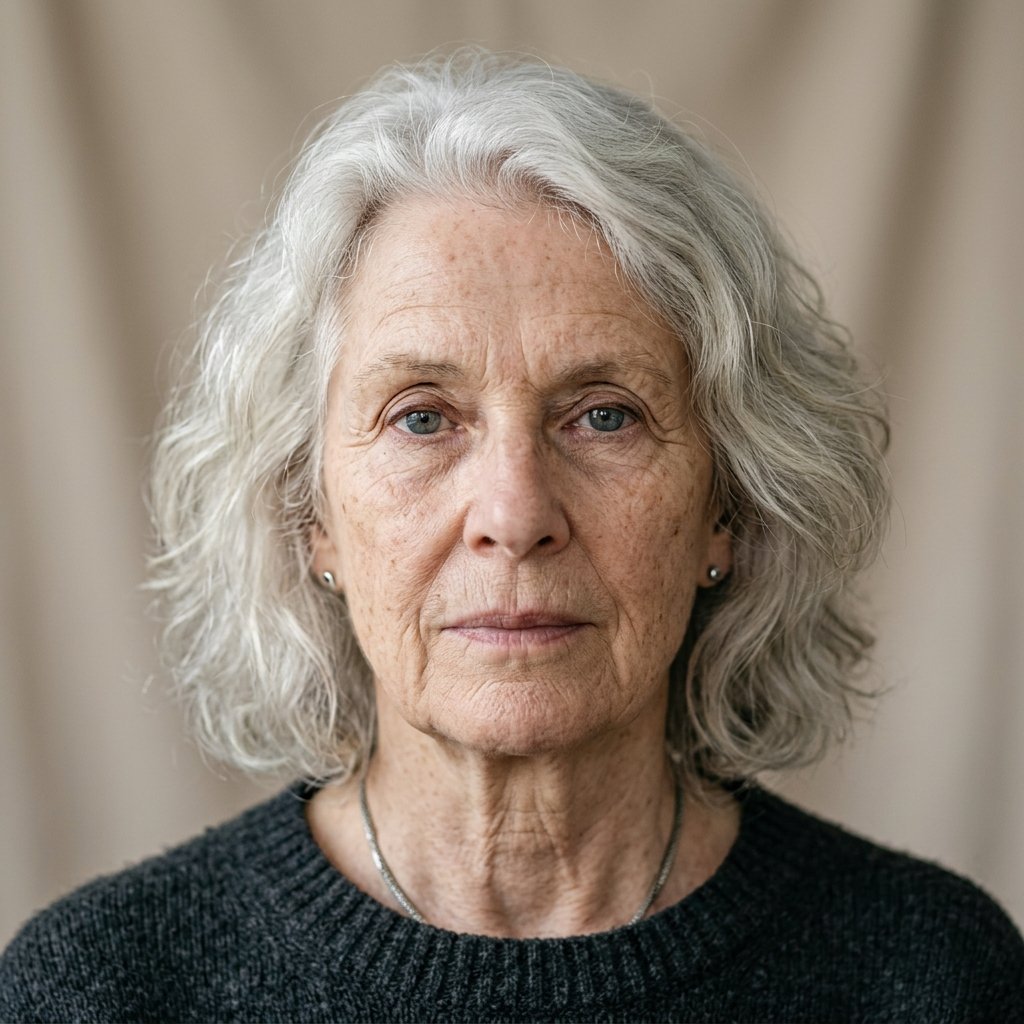
“Sarah?” His voice was wet, cracked, nothing like the sharp man who had dismissed me. He was crying, actually sobbing. “Oh, thank God you picked up. I didn’t think you would. I—we need you. Your mother’s had a fall, a bad one, broken hip. I’m not well myself, my back is gone, and I can’t lift her, I can’t care for her. And Beth—Beth is just so busy with the baby and her job, and she lives all the way in Denver. We have no one. We need a caregiver. We need you to come home.”
I listened, my face very still, the words pouring through the speaker like an old, bitter song. He went on about the eight stairs in their house, the bath chair, the cost of home health aides that they could not afford. He cried about how much they missed me, how they always loved me, how the wedding was just a crazy time and surely I understood. He begged. He did not ask if I was okay. He did not ask about the cancer. He did not know I was in remission, because he never called to find out.
When he finally paused for breath, I said four words. Just four. “I am too busy.”
Silence fell. I heard his breath catch, a strangled little gasp. He began to say something, but I did not wait. I ended the call and set my phone face down on the kitchen counter. My hands were shaking, but my heart was strangely calm. The lake glittered blue outside my window. Hope wagged her tail at my feet. I had not been cruel; I had simply returned the exact gift he had given me.
Later that week, I sent a care package from a distance—an anonymous donation to a local home-health agency in their area to provide a part-time aide for my mother. It was not forgiveness; it was closure. I wanted no further contact. But I also could not become them. I chose to help from a place they could never reach, with money they did not know I had, keeping my name off everything. The circle closed.
The lesson is one I learned in the loneliest hours of my life: you teach people how to treat you by what you accept. I accepted too little for too long. When I finally stood up, the world opened. I am not the weak one anymore. I am the one who survived. And I am busy—building a life that will never again beg for scraps of love.
If this story touched your heart, please share it with someone who needs to hear that it is okay to walk away from those who do not value you. Like our page for more real-life stories of resilience and quiet strength. Follow us so you never miss an update. Your support means the world.