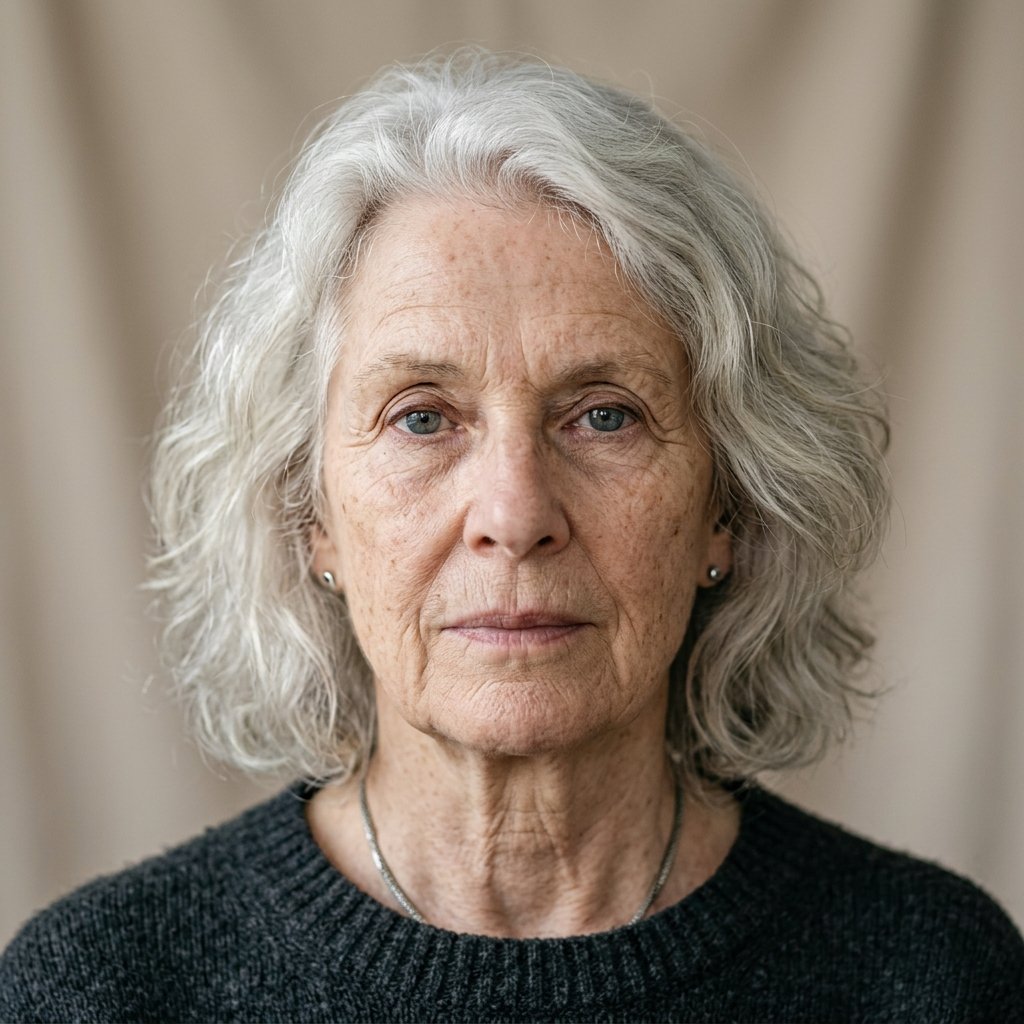
My name is Hannah Mitchell, and my wedding day should have been the happiest of my life.
Instead, it became the day I learned that my parents had never truly seen me as a daughter of equal worth.
I was thirty-one years old, standing in my silk wedding gown at a vineyard in the Shenandoah Valley, staring at two empty chairs in the front row.
Those chairs were reserved for my mother and father.
But they had made their choice.
I will never forget the phone call three months earlier.
My younger sister, Brittany, had booked a luxury wellness retreat in Sedona, Arizona, with her friends.
The trip happened to fall on the same weekend as my wedding.
I had booked my venue over a year in advance.
Deposits were paid, flights arranged, guests had taken time off work and booked hotels.
But still, my father, William Mitchell, called me and said I needed to change the date.
“Brittany has been planning this retreat for months,” he said, his voice flat and unyielding.
“It would be selfish of you to make her choose.”
I gripped the phone so hard my knuckles turned white.
“Dad, this is my wedding,” I whispered.
“Not a brunch. Not a birthday. You’re asking me to reschedule something that’s been set for over a year.”
My mother’s voice came on the line then, a softer tone that hurt even more.
“Hannah, dear, we just want harmony in the family. Can’t you see that?”
I felt my throat tighten.
“Mom, I have two hundred guests coming from all over the country. I cannot change it now.”
My father’s tone shifted then, turning cold as stone.
“Then maybe this is the lesson you need to learn,” he said slowly.
“About respect. And humility.”
I waited for my mother to say something, anything, to stop him.
The silence on the line was deafening.
“If you won’t move the date, we won’t come,” my father said, and then the line went dead.
I sank onto the nearest chair, my legs suddenly weak.
My fiancé, David Cooper, found me there an hour later, still holding the phone.
His strong arms wrapped around me before I could even speak.
“They’re not coming,” I managed to choke out.
“Unless I move the entire wedding for Brittany’s vacation.”
David pulled back and looked into my eyes, his jaw tight with quiet fury.
“Then we do this without them,” he said firmly.
“You deserve parents who are there for you. If they can’t be, then that’s their loss, not yours.”
I cried into his chest for what felt like hours.
But after that, I made a decision.
I would not beg.
I would not reschedule.
I would walk down that aisle with my head held high.
The following weeks were a blur of forced smiles and heavy hearts.
At my bridal shower, my Aunt Judith pulled me aside with a worried expression.
“Are your parents coming around, sweetheart?” she asked gently.
I pasted on the brightest smile I could manage.
“They’ve made other plans,” I said, my voice steady.
I saw the pity flash in her eyes, and it cut me deeper than any blade.
But I refused to let it break me.
On the morning of the wedding, I woke in a sunlit suite at the estate.
My maid of honor, Sarah, helped zip me into my gown.
The ivory silk rustled softly, each button a tiny act of courage.
I stared at my phone on the dresser, the screen dark.
No message from my mother.
No apology.
No last-minute change of heart.
Sarah caught my gaze and squeezed my hand.
“You are the most beautiful bride I’ve ever seen,” she said.
“And anyone who doesn’t see that doesn’t deserve to be here.”
I nodded, a lump forming in my throat.
When the processional music began, I took a deep breath.
I walked down the aisle of the vineyard chapel alone.
The scent of roses and fresh hay filled the air.
Sunlight streamed through the stained-glass windows of the old stone barn.
Every face turned toward me, some beaming, some already dabbing their eyes.
But my gaze was drawn, again and again, to those two empty seats in the front row.
They were draped in white fabric, with small reserved signs bearing my parents’ names.
My heart clenched with every step, but I kept moving.
At the end of the aisle, David stood waiting in his black tuxedo.
His eyes were locked on mine, full of a steady, unwavering love that held me upright.
I remembered something he’d told me the night before: “You are not alone. You will never be alone again.”
I repeated it like a prayer as I finally reached him.
We said our vows beneath a canopy of white roses and twinkling lights.
I promised to love him in joy and in sorrow, in good times and in bad.
He promised to be my shelter, my partner, my home.
Tears streamed down my cheeks, but they were not just tears of sadness.
They were tears of release, of surrender to the love that was right in front of me.
When the officiant pronounced us husband and wife, the entire barn erupted in applause.
For a moment, the pain receded.
For a moment, I felt truly seen and celebrated.
But then my eyes drifted once more to those empty chairs, and the ache returned.
At the reception, held in the vineyard’s grand pavilion, I told myself I would hold it together until the night was over.
I laughed when expected.
I thanked guests for traveling so far.
I cut the three-tier cake with David’s hand over mine, smiling for the photographers.
My first dance with David was to a classic Frank Sinatra tune, and he held me so close I could feel his heartbeat against my cheek.
“You are the bravest woman I know,” he whispered in my ear.
“I’m so proud to call you my wife.”
I wanted to believe him, but a small, wounded voice inside me kept asking: Why wasn’t I enough for my own parents?
As the evening wore on, I drifted through the crowd like a ghost in a beautiful white dress.
I made sure every guest was comfortable, every plate was full.
I did not beg. I did not cry.
I was determined to prove to myself that I could survive this.
Then, halfway through dinner, David rose to his feet.
He tapped his wine glass gently with a fork, the clear ringing note silencing the room.
Two hundred guests turned to look at him, forks hovering midair.
His face was calm, but there was a fire burning behind his eyes.
I froze, my heart suddenly hammering against my ribs.
He looked out at the sea of faces, then deliberately at the two empty chairs in the front.
The silence became so heavy I could hear the distant chirping of crickets outside.
“Since the people who should have stood by Hannah chose not to come,” he said, his voice carrying through the pavilion, “there’s something everyone here deserves to know.”
That was the moment my pulse stopped.
I stared at my husband, my mind racing.
What was he about to say?
I saw guests exchange puzzled glances, some leaning forward with anticipation.
My mother-in-law put her hand to her heart, her eyes glistening.
David let the silence stretch for what felt like an eternity.
I reached for his hand under the table, my fingers trembling.
He squeezed it once, a gentle reassurance, and then he spoke again.
His words, whatever they were, would change everything.
But in that suspended moment before the truth came out, I felt a strange peace wash over me.
I realized that I had already survived the hardest part.
I had walked down that aisle without them.
I had claimed my own happiness despite their absence.
No matter what David revealed, I knew I was loved—by him, by the friends and family who had shown up, by the God who had carried me through every lonely step.
The silence stretched on, a single second that held a lifetime of pain and healing.
And then, he opened his mouth to deliver the sentence that would stop every heart in that room.
I held my breath, waiting.
If you’ve ever felt abandoned by the people who should have loved you most, I hope this story touched your heart.
Please like and follow our page for more deeply emotional stories about family, resilience, and the moments that define us.
If this story moved you, share it with someone who needs to know they are not alone.
Tell us in the comments: What would you have done in my place?
I would love to hear your thoughts and wisdom.