For thirty-three years, I served my country in silence. But at my father’s seventieth birthday party, my brother Bradley decided to turn my silence into a punch line. He laughed at my classified Navy work in front of eighty guests, then admitted he had secretly used my rank to chase a federal contract. He thought humiliating me would make him look powerful. He had no idea two hundred special operators were waiting to honor me—and his proposal had already triggered an ethics investigation.
The party was supposed to honor my father. I had driven three hours from a classified briefing to attend. I was still wearing my dark blue Navy service dress, the one with the gold buttons and the quiet weight of everything I could not say. The rented hall on the Virginia Beach waterfront smelled like buttered rolls and old cologne. A gold banner hung behind my father’s chair: HAPPY 70TH HAROLD. Eighty guests filled the room. I knew maybe ten of them well.
My father, Harold Bennett, sat at the head table with his hands folded. He looked proud, tired, and a little overwhelmed. He had spent forty years building a small construction business from nothing. Now my brother Bradley ran it and had renamed it Bennett Atlantic Construction. Bradley held the microphone like he owned the room. He wore a tailored gray suit, a bright blue tie, and the easy smile of a man who had never been told no.
“Give me the microphone, Bradley,” I said.
He lifted it higher and stepped between me and the door.
“Why? So you can explain which Navy desk you’ve been hiding behind for thirty-three years?”
Laughter moved across the tables. It was not loud. It was the kind of laughter that says, I agree, but I am too polite to clap. My father looked down at his plate and said nothing.
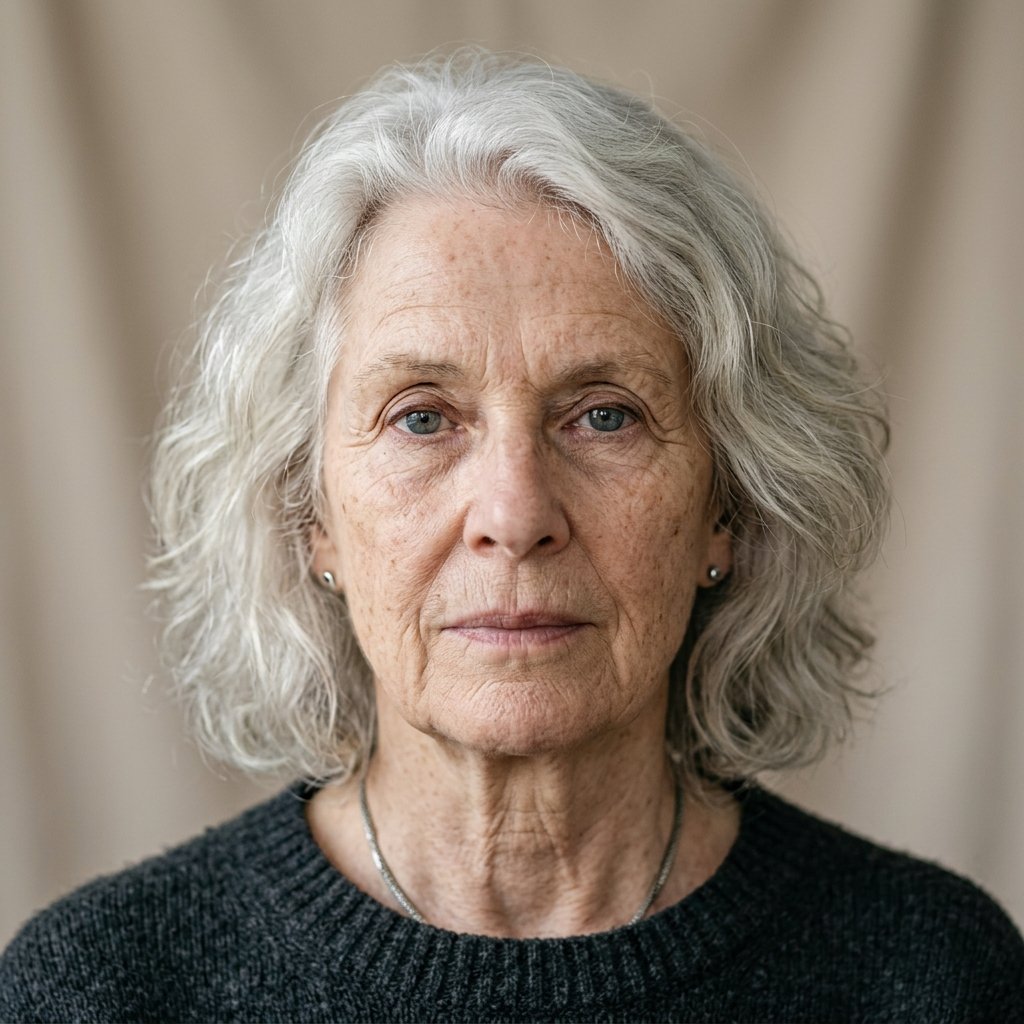
My name is Rear Admiral Margaret Bennett. I was fifty-seven years old. I had given thirty-three years of my life to the United States Navy. My work involved special-operations planning, personnel recovery, and missions I could never discuss at family dinners. I had missed birthdays, anniversaries, and holidays. I had sat in windowless rooms while people I loved celebrated without me. I had carried secrets that would never fit in a greeting card.
To Bradley, silence looked like failure. He built things people could photograph. He measured success through contracts, buildings, and quarterly reports. My career did not fit his spreadsheet, so he decided it did not count. He had always been the loud one. He could tell a story and make my father laugh. He could walk into a room and collect handshakes. I could walk into a room and disappear.
“Tonight is about Dad,” I said.
“Exactly,” Bradley replied. “He built something people can see.”
Then he turned to the guests and raised the microphone higher.
“Margaret says she does ‘important classified work.’ Translation: paperwork with better parking.”
The second wave of laughter cut deeper. I felt my face grow warm. I was not embarrassed for myself. I was embarrassed for my father, because he did not stop it. I was embarrassed for my mother, who was not there to stop it. My mother, Ruth Bennett, had passed away twelve years before. She used to answer Bradley before I had to. She would say, “Enough, Bradley. Your sister serves this country. Show some respect.” But my mother was gone, and no one else said that sentence.
I reached for my coat. My hand was steady, but my heart was not. I could feel the old scar under my sleeve. It ran along my wrist, a faded white line from a surgical repair after a training accident many years ago. No one at that party knew about it. No one asked. They only saw the uniform and assumed I pushed papers.
Bradley caught my wrist. His fingers pressed directly into that old surgical scar beneath my sleeve. It was not an accident. He knew exactly where to press.
“Don’t storm out,” he said. “We’re finally being honest.”
“Let go.”
The nearest tables fell quiet. I could see an older woman in a lavender dress look away. I could see my father’s jaw tighten. For a moment, I thought he would finally speak.
He released me, but his wedding ring scraped my skin and left a thin red mark. I pulled my arm back. The mark stung in the cool air from the open patio door.
My father finally stood.
“Both of you, stop.”
I expected him to correct Bradley. I expected him to say, “Apologize to your sister.” I expected a father to protect his daughter.
Instead, he turned to me.
“Margaret, stay ten more minutes. Your brother arranged this entire party.”
There it was. The same old arithmetic. Bradley arranged the party. Bradley paid for the cake. Bradley was here. Therefore Bradley mattered. I had come straight from a classified briefing and needed to reach Naval Station Norfolk for a ceremony honoring special-operations personnel and their families. But Dad did not know that. I had not told him. I could not tell him.
Bradley smirked.
“Another retirement cake for people who don’t know you?”
My mother had been gone twelve years. Since her death, my silence had become their permission. They did not ask about my work. They did not ask about my life. They filled my quiet with their own assumptions, and they called it family.
Then Bradley blocked the doorway again. He was taller than me by five inches. He had the broad shoulders of a man who spent Saturdays on a golf course and Sundays at a brunch buffet.